Dear future landowner,
You work hard for your money. Maybe in London, Houston, or Toronto; maybe in Lagos or Abuja.
And you want an asset back home that actually works. Real land, real income — something with your name on it that your children will inherit.
You've probably tried. Or watched someone close to you try.
The plot a relative was “managing” that ate money for three years and produced nothing but excuses.
The land banking that just sat there, waiting for a resale market that never arrived.
The savings the naira quietly ate while you were busy earning more of it.
Each time, the lesson was the same: sending money home is easy. Getting an honest, working asset out of it is the hard part.
And then there's the elephant in the room.
You've seen the agritech investment platforms collapse. So have we.
Thousands of ordinary people put billions of naira into slick apps promising farm returns — and lost it. The mainstream press now writes about “agriculture becoming fraud.”
So when another company says “own farmland, earn yearly income,” the correct response is suspicion.
We agree with you. We built WhiteRabbit for the suspicious.
Because here is what the burned buyers all skipped. Not intelligence, not caution — one specific step: verification.
Not testimonials. Not Instagram videos of tractors. Documents, registries, and math you can check yourself, without taking anyone's word for anything.
The people who lost money were holding app balances and e-certificates. Not registered deeds to specific land they could stand on.
So we built our entire model around that missing step. Here is exactly what you get — and how to check every piece of it.
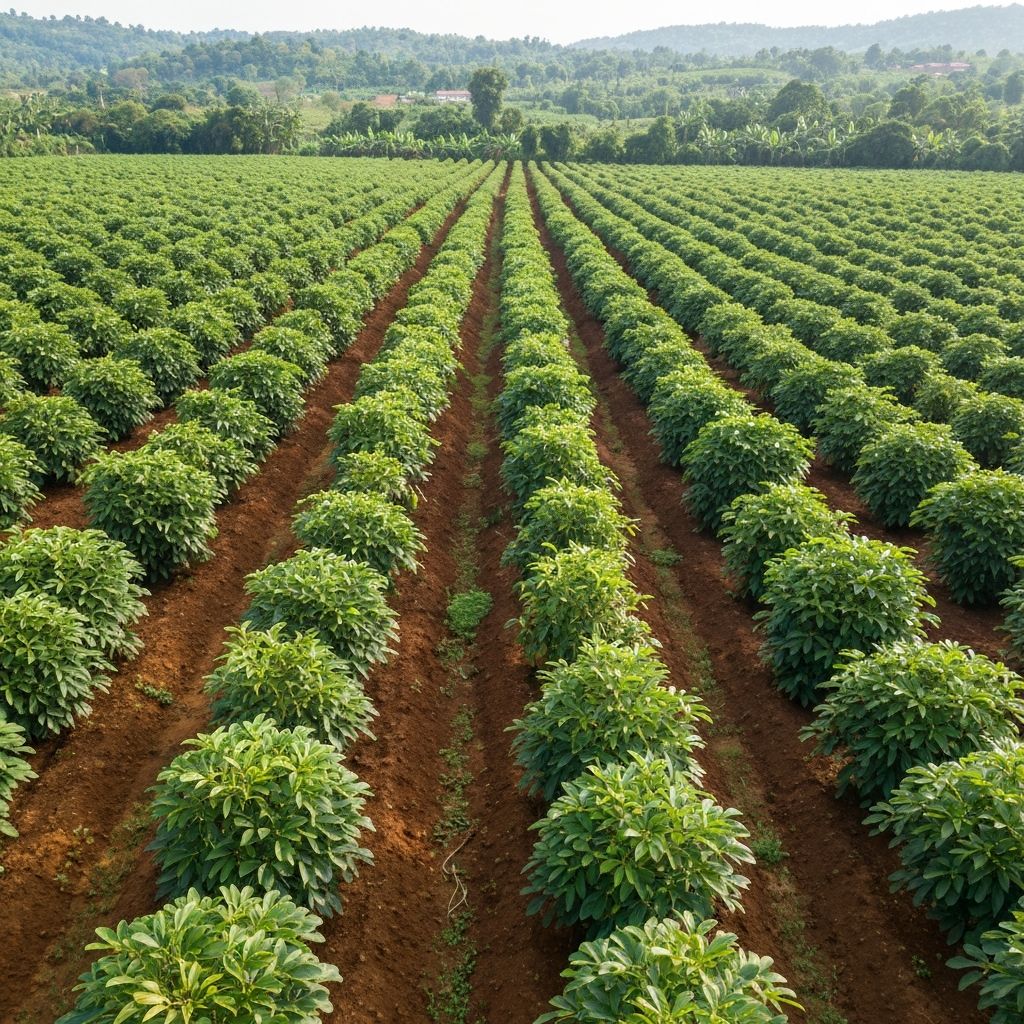
You buy one hectare — 10,000 square metres — inside WhiteRabbit Cocoa Estate in Enugu State. Not units in an app, not a share of a pool: a specific, surveyed hectare.
Your name goes on a Deed of Assignment, registered at the Enugu State Land Registry. You, or your lawyer, can verify it at the registry without asking our permission.
A professional team plants and farms it for you under a 15-year renewable management contract. Cocoa for the long game; a plantain intercrop so income starts around month 10 — not year 4.
You keep 65% of gross crop revenue. That number is in your contract, in writing.
Every quarter, you receive an itemised report: yield, revenue, expenses, plot condition.
And the payment plan is built so documentation precedes money. You see registered paperwork before your balance is due.
What about the numbers? In our base-case projection, you recoup your full ₦27,000,000 during year 5 — then net roughly ₦13M per hectare, per year, from year 6.
That is a projection, not a promise. It assumes a $6,500-a-tonne world price, realised locally at about 90% — because the price exporters and aggregators pay here is close to, but below, the international market — and we publish the conservative and high scenarios beside it, with every assumption visible.
One more thing — the part I would want to know if I were the one reading this letter.
We are so committed to verification that we wrote a free guide teaching you how to audit any farmland deal in Nigeria — including ours.
Twelve checks that expose a fake land deal. A fillable checklist. A template letter your lawyer can send to any operator — us included.
Run all twelve checks on us. If we fail even one, walk away — and you'll have lost nothing but an afternoon.
That's the whole pitch. No countdown timer, no “only three plots left,” no guaranteed returns. Land, documents, and math.
Start with the kit. It costs nothing, and it will protect you no matter who you eventually buy from.
See the full three-scenario model and every assumption
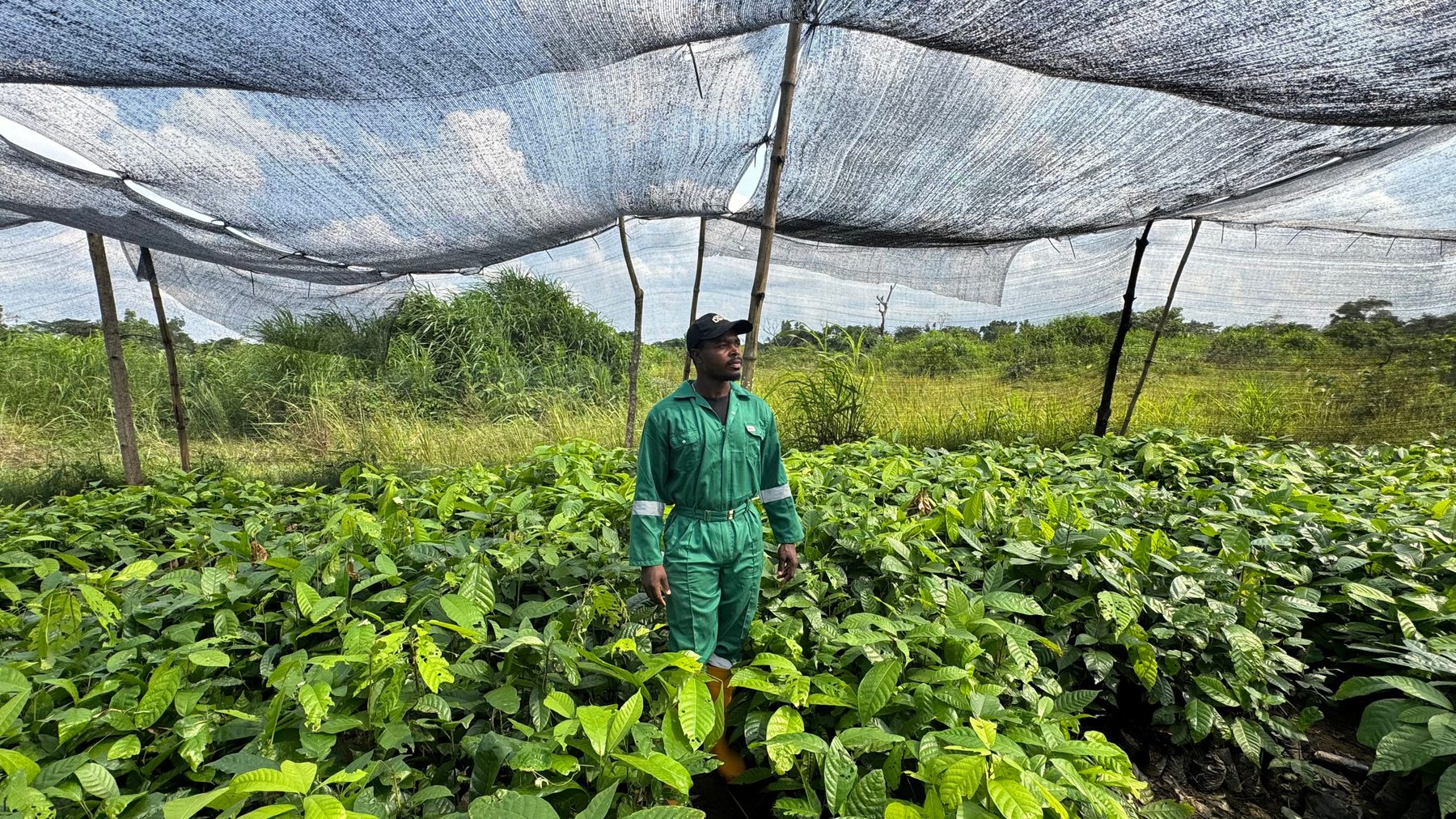
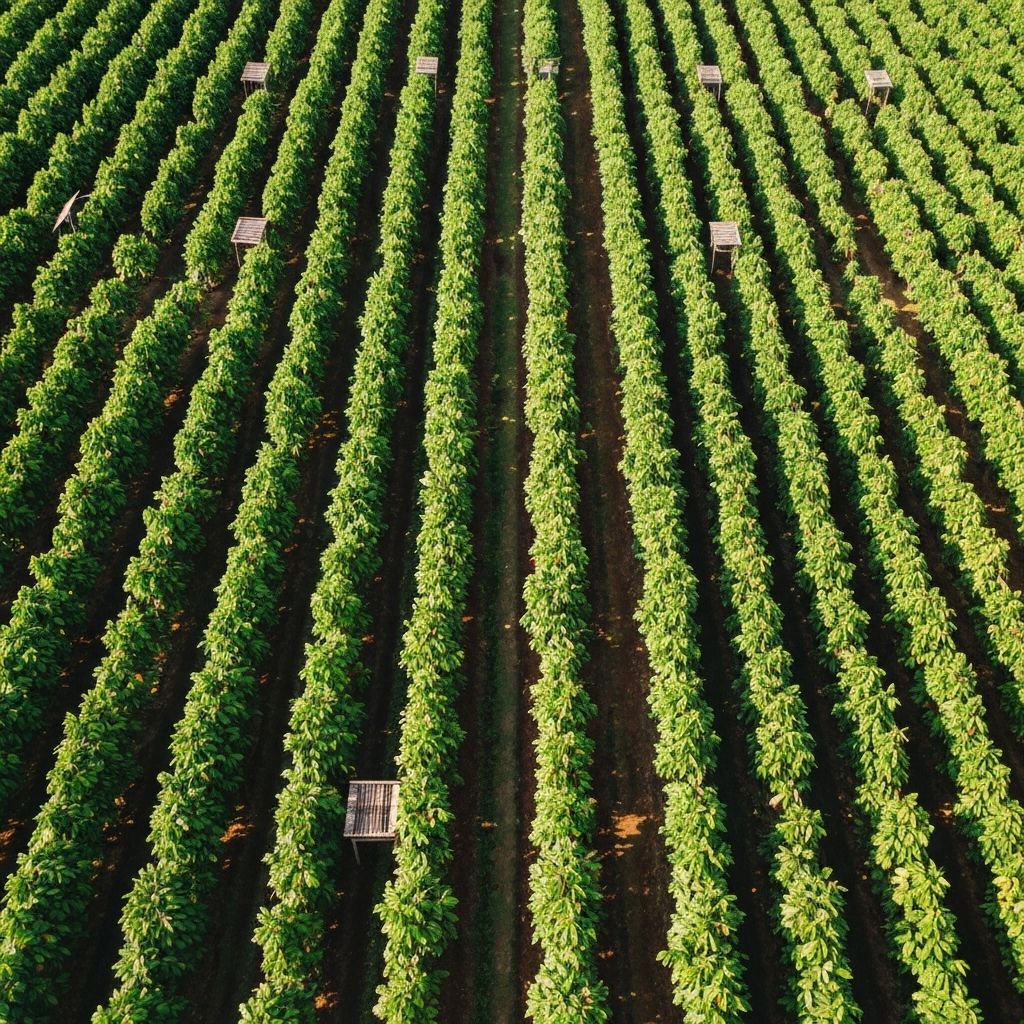
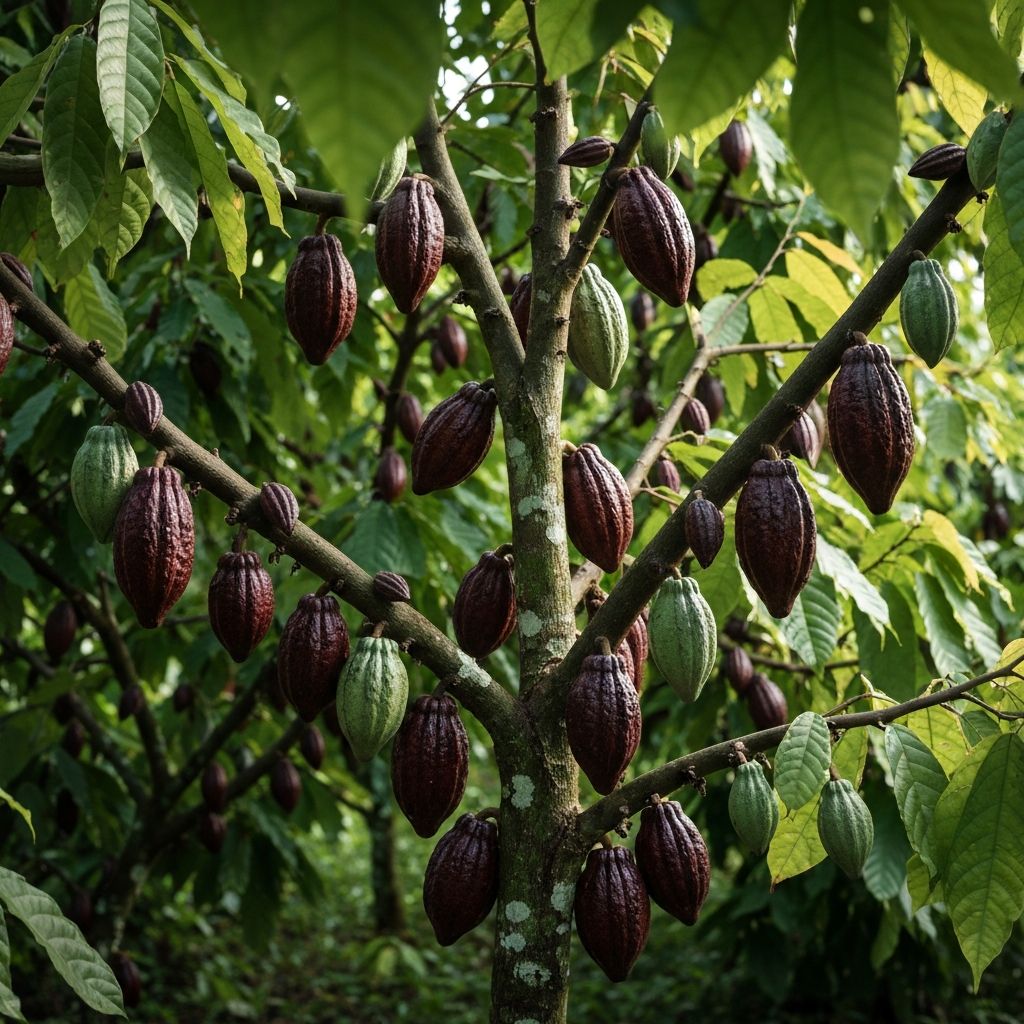
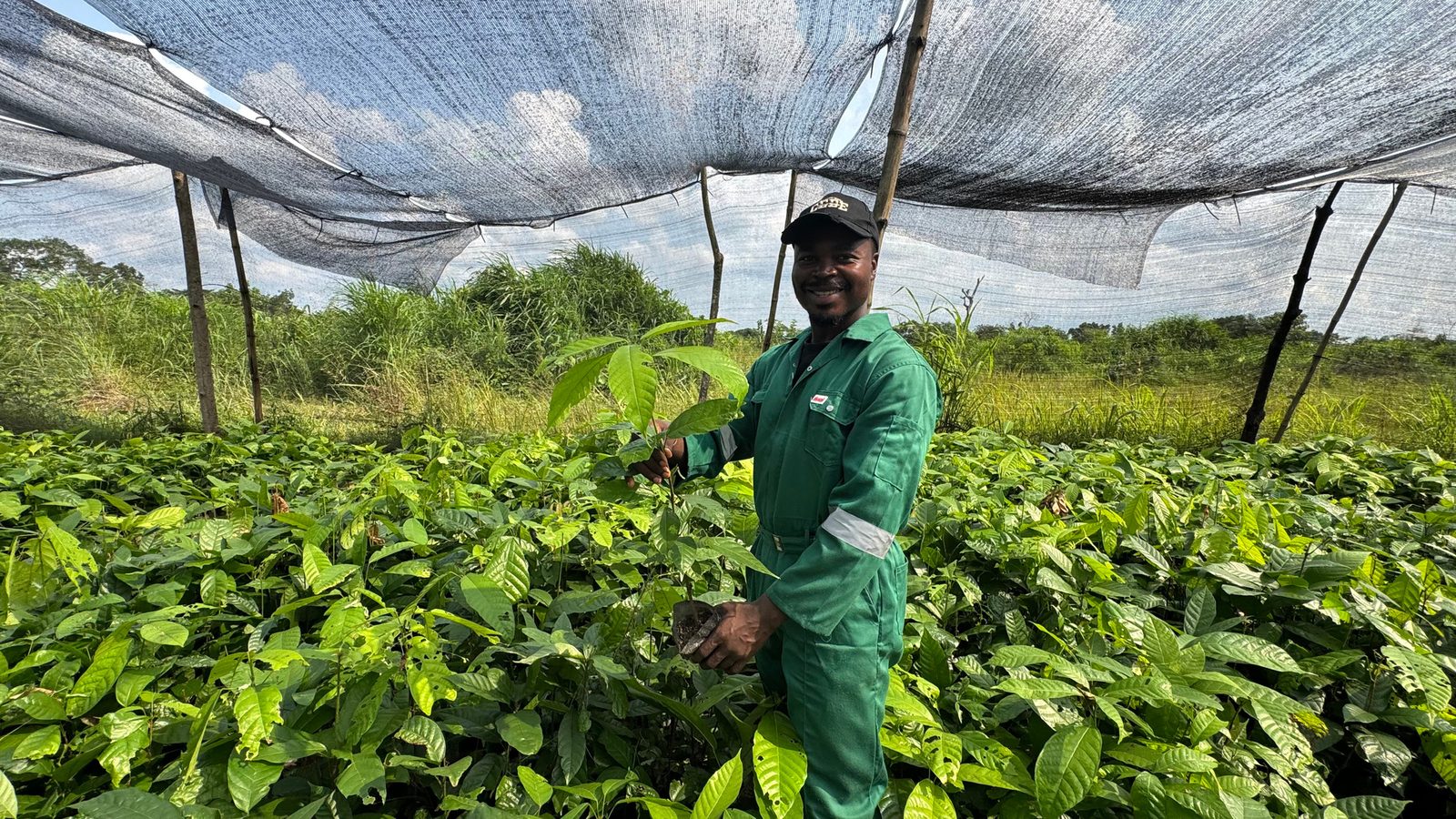
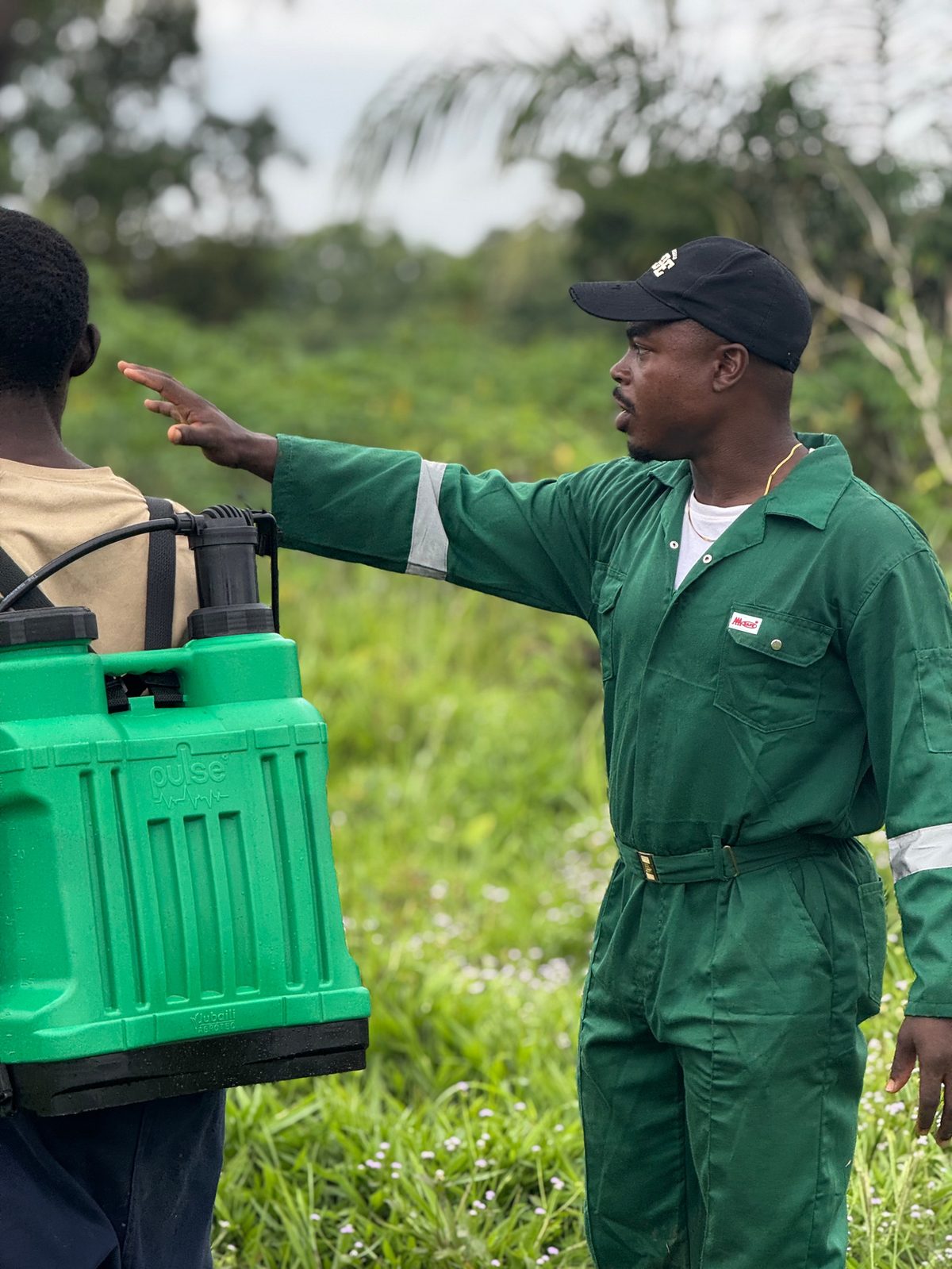
Don’t take our word for what the estate looks like. Look.
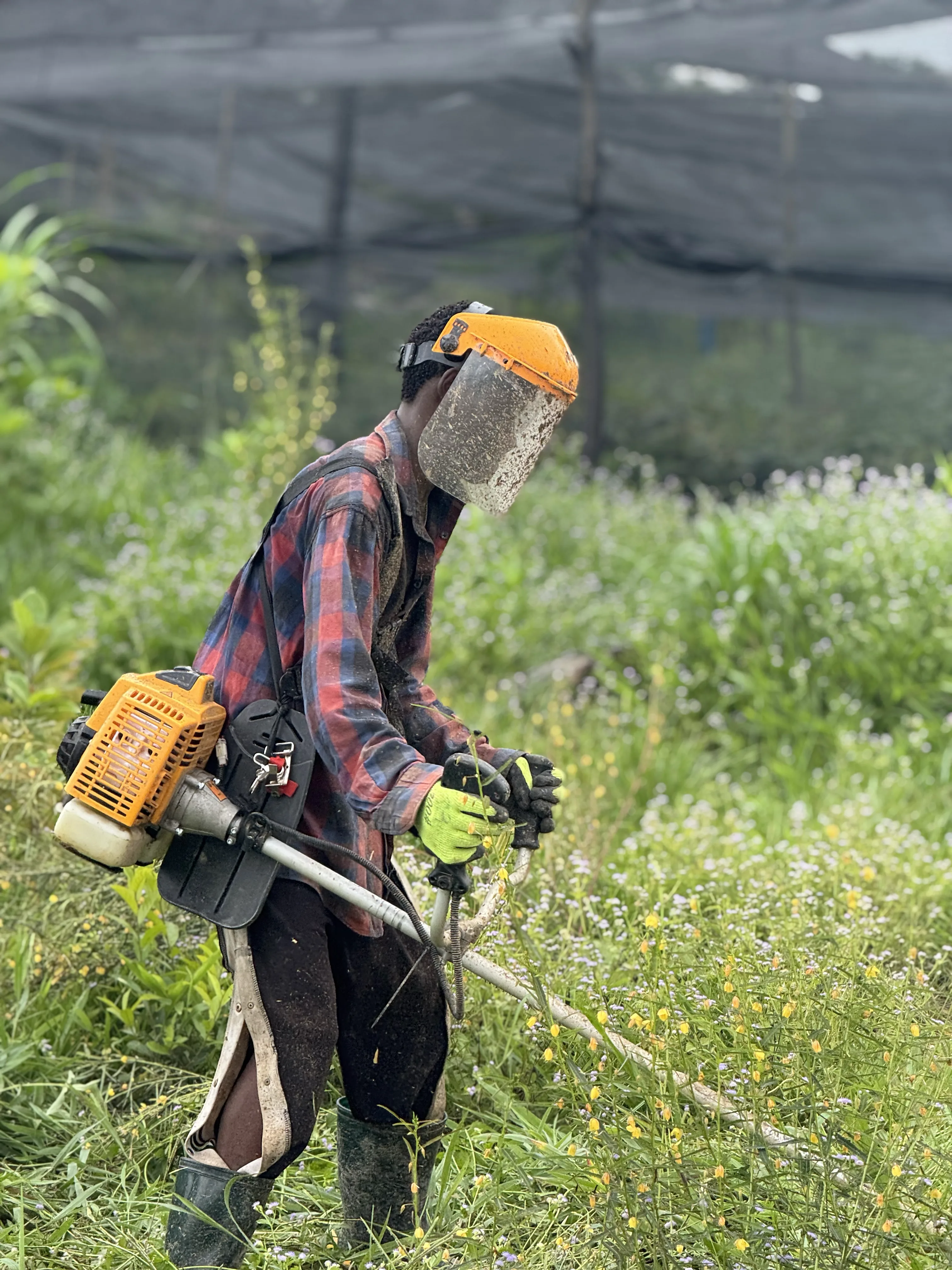
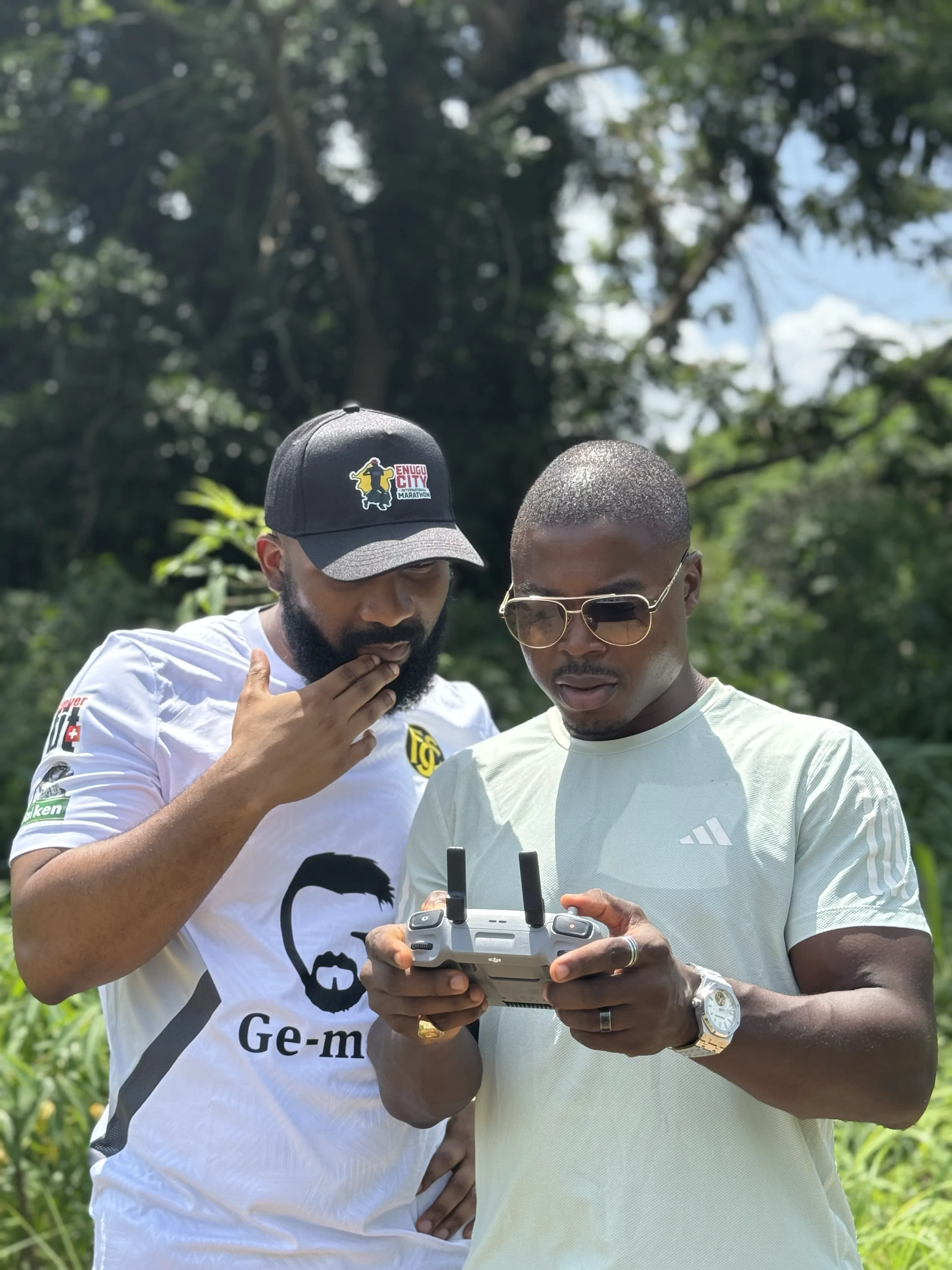
Photos and footage from WhiteRabbit Cocoa Estate at Amaechi Idodo, Nkanu East — filmed on our own site, July 2026. This is the operation your hectare joins today, not a render of what we hope to build someday. Footage is never proof of title — documents are — but it is proof of work.

Ask about a site visit when you book your free Verification Session.
Book a sessionFilmed at WhiteRabbit Cocoa Estate, Amaechi Idodo, Nkanu East, Enugu State — July 2026.
Cocoa is Nigeria’s top agricultural export.
Long before oil, the wealthiest families in Nigeria were agricultural business owners. Oil made the country forget — and now, plate by plate and shipload by shipload, agriculture is coming back.
In Q1 2026 alone, Nigeria exported ₦596.9 billion of superior-quality cocoa beans — 50.9% of all agricultural export earnings (NBS trade data). Cocoa is a globally traded, dollar-priced commodity, which is exactly why your hectare’s revenue is modelled in dollars per tonne, across three price scenarios, not one.
Superior-quality cocoa beans exported in Q1 2026 — Nigeria's top agricultural export (NBS trade data).
Cocoa's share of all Nigerian agricultural export earnings in Q1 2026.
Minimum income horizon: cocoa trees produce for 30–40 years, and your 15-year management contract renews — with us or any manager you choose. You own the land throughout.
Five steps. A paper trail at every one.
Fully remote-capable, and every step produces documentation you can verify independently — before, during, and after.
Choose your hectare(s)
One hectare (10,000 sqm) of Chocolate City Scheme I at ₦27,000,000 — or more than one, if that fits your plan.
Review every document independently
The registered survey plan, your Deed of Assignment particulars, and the management agreement — shared before you commit. We encourage you to bring your own lawyer.
Sign, and your Deed is registered
Your Deed of Assignment is registered at the Enugu State Land Registry. Milestone payments mean documentation precedes money.
We plant and farm
Our team plants and manages your hectare under the 15-year renewable management contract. Plantain income from around month 10; cocoa harvests from year 3.
You receive 65% of gross revenue
Crop revenue is reconciled to your hectare and paid out on your 65% share, with itemised quarterly reports every quarter.
One base case. Every assumption visible.
Per hectare, investor net at your 65% share. These are projections from our published financial model — not guarantees.
Conservative scenario ($4,500/t): break-even during year 6. Projections, not guarantees — assumptions apply, and land appreciation is excluded.
See all three scenarios and every assumptionWhat can go wrong (and what we do about it).
Anyone selling farmland without a risk section is hiding something. Here is ours, from the same financial model as the projections above.
Commodity price volatility
Cocoa traded near $10,500/t at the 2024 spike and materially lower before and after. We model three price scenarios and apply a farm-gate realization factor (~90% of the world price), because local exporters and aggregators pay close to — but below — the international benchmark. We never publish a single-price projection.
FX assumption
The model holds the exchange rate constant at ₦1,400/$. Your actual naira revenue will move with the real rate, in either direction.
Agronomic risk
Black pod and other disease pressure are endemic to West African cocoa. We plant resistant hybrid varieties and run scheduled preventive treatment — but farming risk never falls to zero.
Yield ramp vs the national average
Our model targets 0.8→2.0 t/ha across years 3–6, well above the ~0.3–0.5 t/ha Nigerian smallholder average. The uplift assumes hybrid stock, planting density, and professional input and disease management — and we publish the conservative scenario so you can see the model under less generous assumptions.
Operator continuity
A managed plantation depends on its operator. Your 15-year renewable management contract sets out the terms of that relationship — and your registered title to the land stands independently of us.
Projections are not guarantees
No one can promise crop yields or commodity prices. Every figure on this page is a labelled projection with stated assumptions — nothing more, and nothing less.
What we guarantee (and what we don’t).
We guarantee our conduct — the things we control. We do not guarantee markets, and you should walk away from anyone who does.
We guarantee
- Registered documentation before your balance is due — milestone payments mean paperwork precedes money.
- Quarterly investor reports, delivered on schedule, every quarter.
- Itemised statements: yield, revenue, expenses, and plot condition, reconciled to your hectare.
We do not guarantee
Yields, commodity prices, or returns. Nobody honest can. Every figure we publish is a labelled projection with visible assumptions — and if another operator offers you a “guaranteed return” on farmland, that guarantee is your signal to walk away.
The questions a careful buyer should ask.
Is the land titled in my name?
Yes. You receive a registered Deed of Assignment in your name, specifying your plot, filed at the Enugu State Land Registry. The estate also holds a registered survey plan — and you or your lawyer can verify everything independently before you pay your balance.
What if the crop fails?
Farming carries real agronomic risk, and we don't pretend otherwise. We mitigate it with resistant hybrid varieties, scheduled disease treatment, and full-time professional management — but we do not guarantee yields, and neither should anyone else. Whatever happens in a given season, you still hold registered title to the land itself.
How do I exit before maturity?
You own a registered, transferable title — you can sell or transfer your hectare, and the management contract can transfer with it. Be realistic, though: farmland is not a liquid asset. This is a multi-year holding, and we would rather tell you that now than after you've committed.
Why isn't this an SEC-registered investment product?
Because it isn't a pooled investment product — it's a land sale plus a management service. You own a specific, titled hectare, not units in a fund. That structural difference is exactly why everything here is verifiable: a registry can confirm a deed to land; it cannot confirm a promise inside an app.
How are you different from the agritech platforms that collapsed?
Those platforms pooled money into apps against e-certificates and promises. Here, you hold a registered Deed of Assignment to a specific hectare you can stand on, inspect, and verify at the Enugu State Land Registry — before your balance is due. If we disappeared tomorrow, your land would still be your land.
Do I need to visit Nigeria to complete this?
No. The entire process — documentation, registration, signing — can be completed remotely, with notarised document handling. That said, site visits are welcome at any time with advance notice, and we encourage them.
What exactly does ₦27M cover, and how does the payment plan work?
₦27,000,000 covers the land, full farm setup, and first-year management. The payment plan: 40% down (₦10,800,000); the balance is interest-free through month 3; settling within months 3–6 adds 10% of the total (₦29,700,000 all-in), with installments from ₦2,800,000. From year 2, plantation operating costs are covered from plantation revenue.