Investment per unit
₦2,000,000
Pay in full or in two instalments.
- 60% initial payment
- ₦1,200,000
- 40% balance within two months
- ₦800,000
Example allocations
- 1 unit
- 500 m²
- 5 units
- 2,500 m²
- 20 units
- 1 hectare
Managed ginger investment · Enugu State
WhiteRabbit Agro is embarking on an irrigated dry-season ginger project in Enugu State.
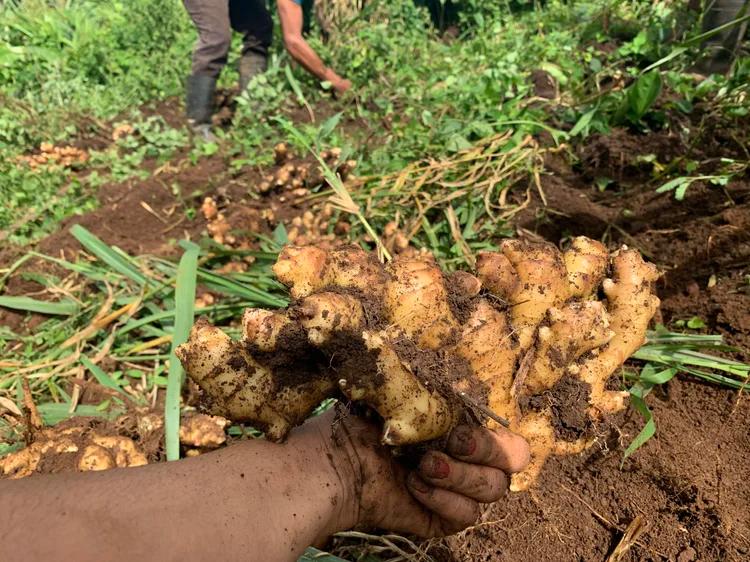
Choose as many managed units as you need, subject to availability.
₦2,000,000 per unit · 30% target annual distribution
Explore the production and sales calendarBuying ginger in bulk? Request an export quotePer 500 m² managed unit
Request as many units as you need, subject to availability.
₦2,000,000
Pay in full or in two instalments.
Example allocations
Returns calculator
Choose your units and investment term.
Enter a whole number from 1 to 200.
The bonus is based on your original investment and applied at the end of the term. Actual payments depend on project performance and the final agreement.
Apply for ginger unitsThe timing advantage
Rain-fed farms often bring new ginger to market around November to January. When many farms sell at once, buyers have more supply to choose from and prices can come under pressure. Irrigation lets us plant during that window and target a July–August harvest, when there may be less fresh supply.
The annual pattern used to plan our first cycle.
This is a planning illustration based on the Ginger Gold Rush briefing and historical market research. The window for dried ginger sales depends on processing time, buyer acceptance and market conditions. CBI’s Nigeria ginger value-chain study
Nov–Dec 2026
Prepare drained beds, screen planting stock and establish the crop.
Jan–Mar 2027
Irrigate, feed the crop and monitor fields for disease.
Apr–Jun 2027
Track crop development and assess quality ahead of harvest.
Jul–Aug 2027
Grade and dry the crop, then pursue sales as lots meet buyer specifications.
Indicative dates depend on field readiness and crop maturity.
From harvest to market
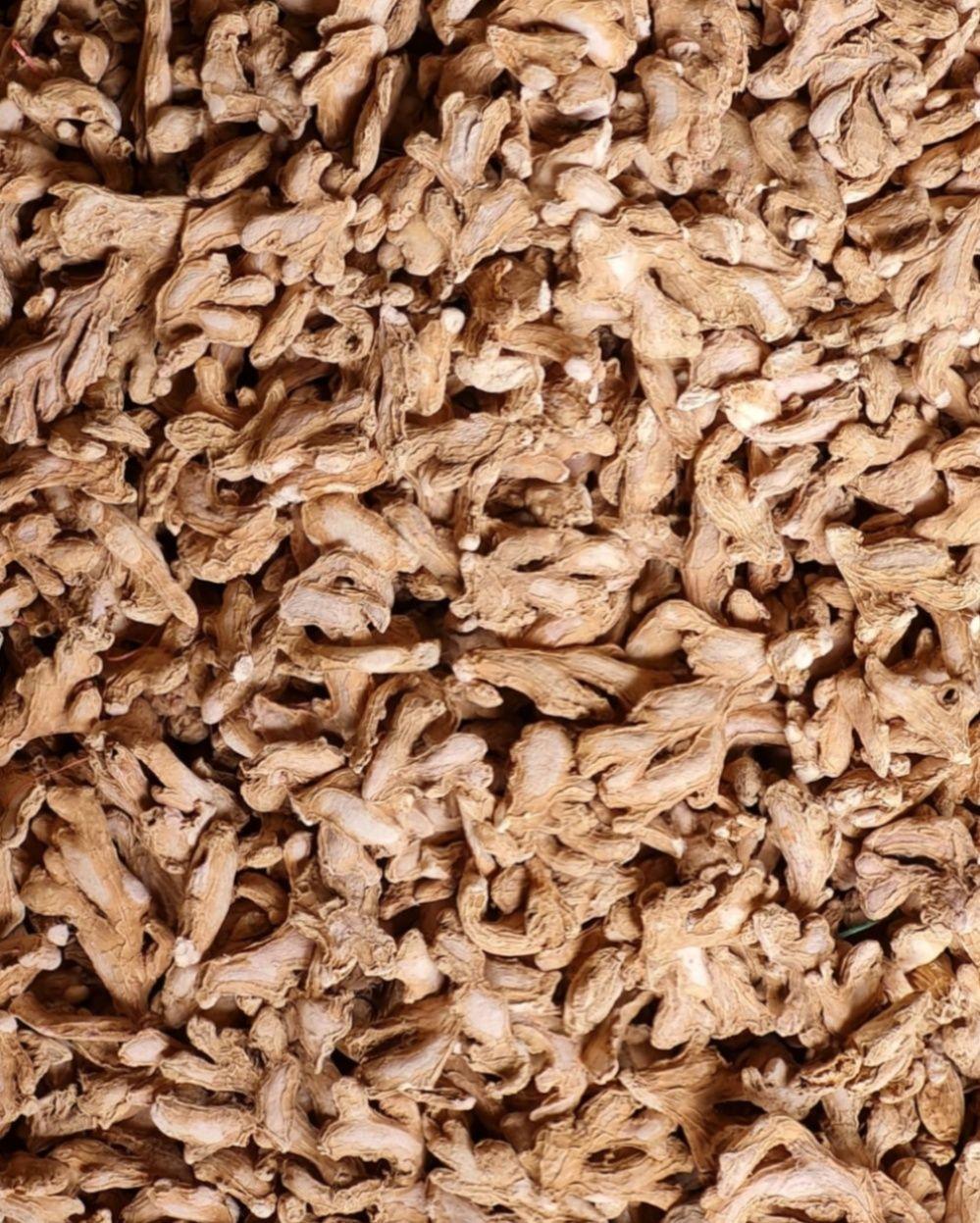
We grade, split and dry ginger for ingredient buyers and exporters. Drying makes the crop easier to store and allows us to sell against buyer specifications for moisture and grade.
What WhiteRabbit Agro manages
Screen planting stock, prepare drained beds and install irrigation.
Manage irrigation, field labour and crop health through the growing season.
Grade, split and solar-dry the harvest to buyer specifications.
Before you apply
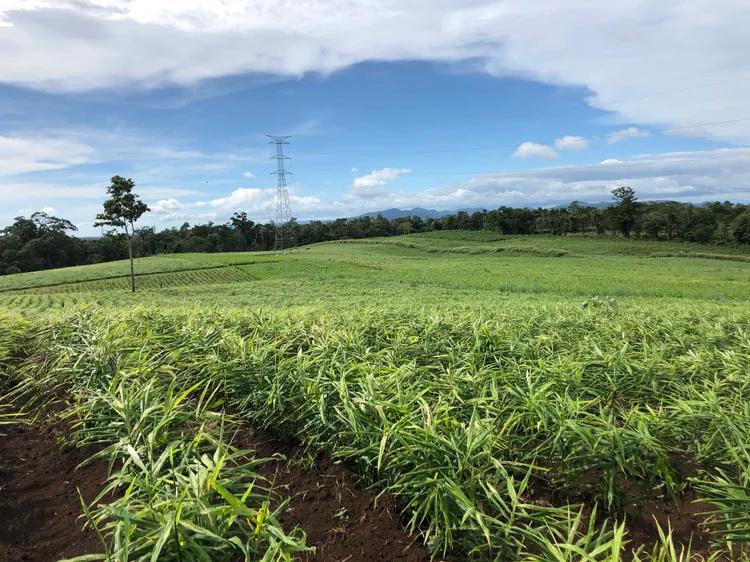
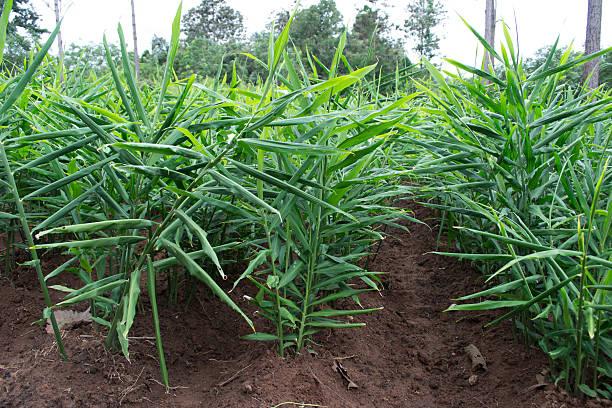
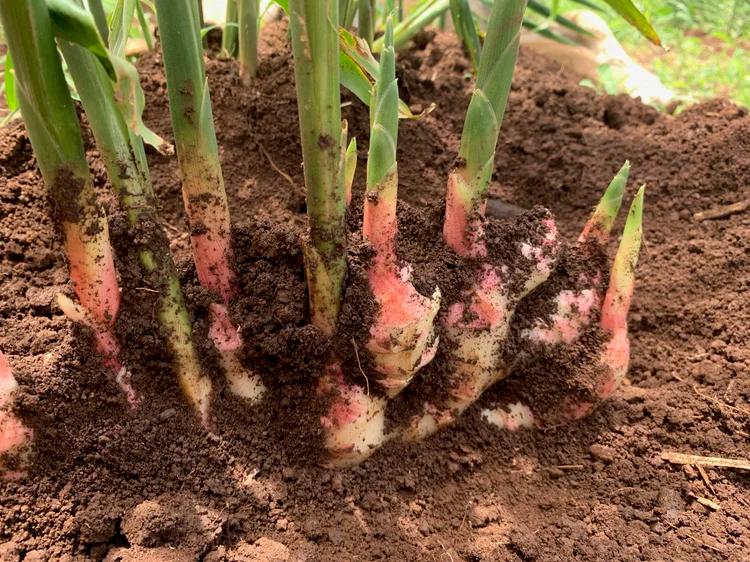
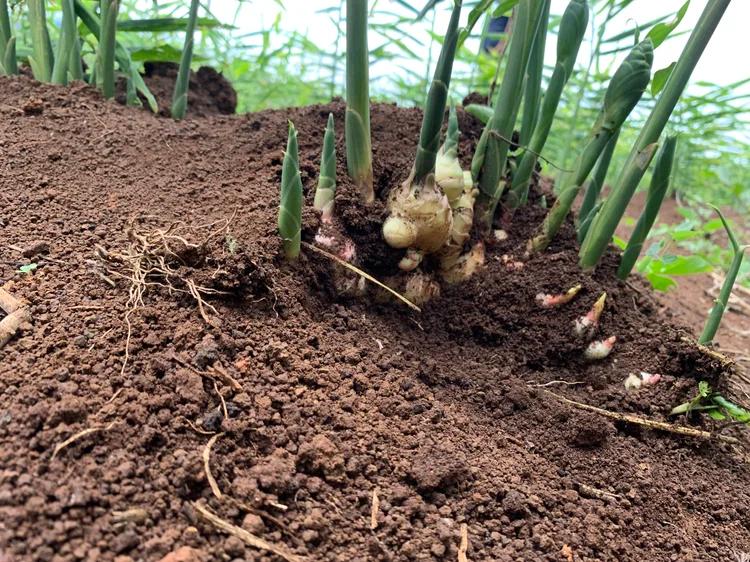
A managed ginger production unit in Enugu State. Each unit covers 500 m² of crop production. White Rabbit Agro manages the farm, and your participation is governed by the production management agreement.
Request as many of the project’s 200 units as are available. We’ll confirm your allocation and total cost during review.
Pay in full or start with ₦1,200,000 per unit and pay the remaining ₦800,000 within two months. We confirm payment dates before you pay.
We confirm availability and send you the terms for review before payment.
Ginger typically takes about eight to ten months to reach harvest maturity, depending on variety and field conditions. Our first cycle targets planting in November–December 2026 and harvest in July–August 2027.
Heavy rain can leave beds waterlogged, and warm, saturated soil favours rhizome rot. Planting in the drier months lets us use irrigation to keep the soil moist while well-drained beds carry excess water away. It also shifts our target harvest away from the main rain-fed supply window.
It lets the team decide when and how much water the crop receives. That helps maintain steady soil moisture between rains, especially as the rhizomes develop. The team adjusts watering to field conditions.
We plan to start with screened planting material, use well-drained beds and monitor the crop as it grows. Humid conditions favour some diseases. Insect pressure varies by pest and season, so field checks matter in both wet and dry months.
White Rabbit Agro coordinates planting, irrigation, crop care and harvest. The team plans to grade, split and dry the ginger to buyer specifications, then seek offers from ingredient buyers and exporters.
The annual target is ₦600,000 per unit. Including applicable term bonuses, projected earnings per unit are ₦600,000 over 1 year, ₦1,900,000 over 3 years and ₦3,200,000 over 5 years. The calculator also shows total receipts including principal.
The 3-year term has a 5% bonus and the 5-year term has a 10% bonus. The calculator applies it once at the end of the term, based on the original investment. Actual payments depend on project performance and the final agreement.
Yes. The 1-year option covers one production cycle. It targets a 30% distribution, for projected total receipts of ₦2,600,000 per unit including principal.
A harvest outside the main supply window can give us more room to negotiate. The price we receive still depends on available supply, crop quality, buyer demand and the costs of drying and delivering the product.
Crop disease, water interruptions, lower yields, higher costs or weaker buyer prices can reduce proceeds. Harvest, drying or sales delays can also change when proceeds become available.
Review the agreement for the term you choose. It sets out when distributions may be paid, the conditions for principal repayment and any early exit terms.
Expression of interest
Choose your units and have your ID ready. You can upload a portrait or take a selfie in the form.
Have a government-issued ID and a recent passport-style photo ready. The application asks about your preferred units, funding readiness and identity so our team can follow up.