Plantation development
How to Start an Oil Palm Plantation in Nigeria
To start an oil palm plantation in Nigeria, assess soil, drainage and year-round access, confirm who will buy or mill your fresh fruit bunches, and source traceable planting material. Set out the field and budget for maintenance through the years before commercial harvest.
By WhiteRabbit Agro
Assess the land and route to a mill together
Start with the usable area, soil conditions, slope, drainage and access. Mark wet areas, waterways and land unsuitable for planting before planning blocks. Drive the intended haulage route and ask what becomes impassable during the rains.
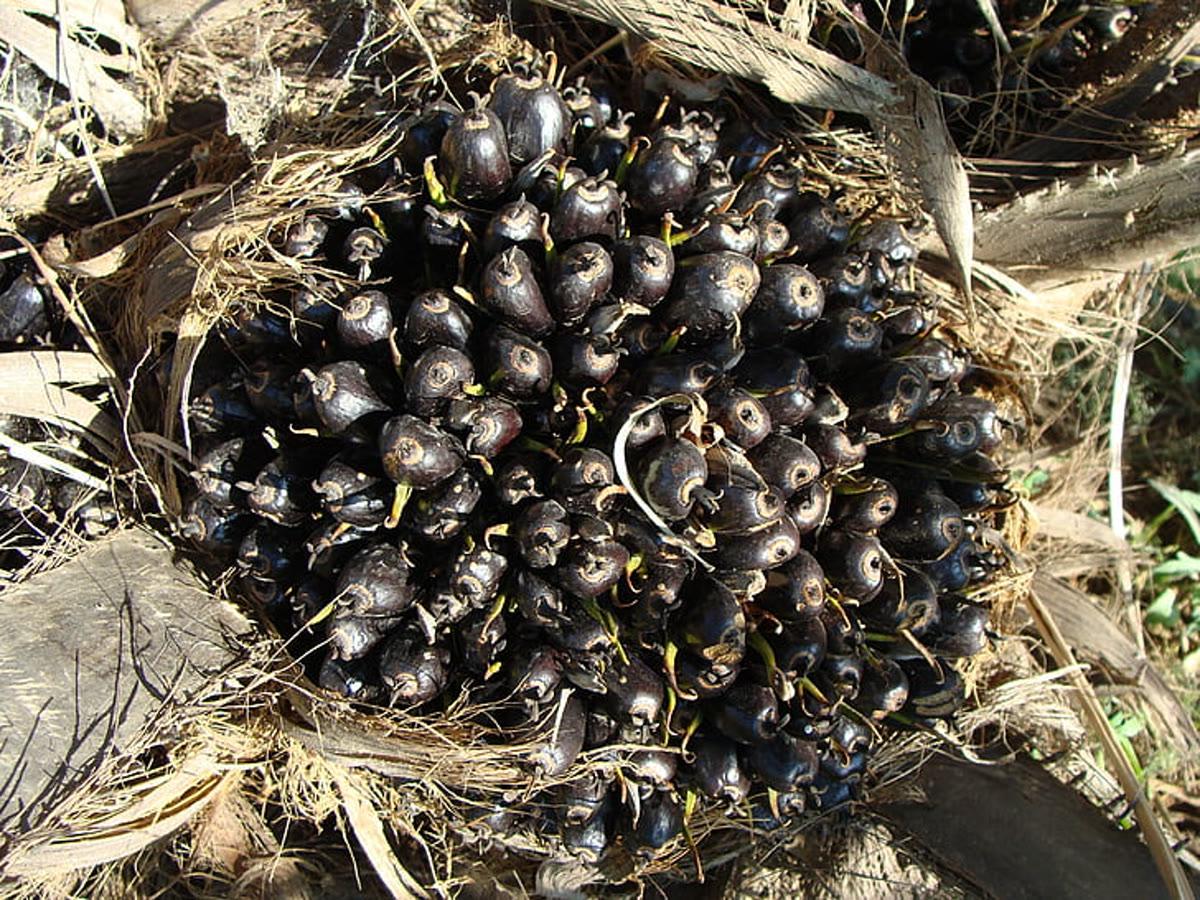
Ask prospective mills or aggregators which bunches they accept, how they weigh and grade them, who collects them and how quickly they can receive fruit. The FAO processing guide explains how handling damage and delays affect oil quality. A field plan should include collection points and an all-weather route for moving harvested fruit.
FAO guidance on harvesting, handling and processing palm fruit
Where should you get oil palm seedlings?
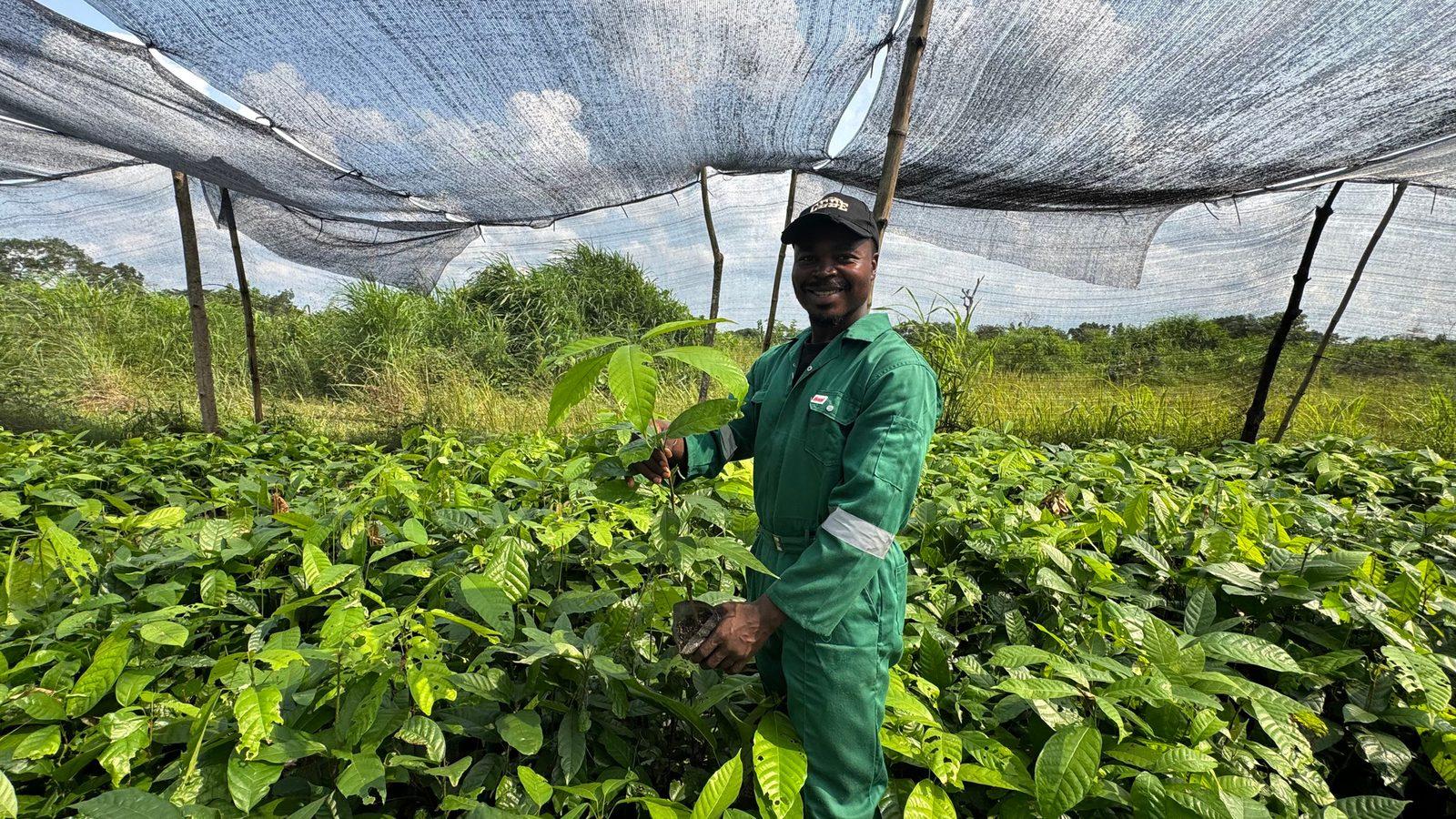
Buy planting material from a supplier that can document the variety and its source. The Nigerian Institute for Oil Palm Research supplies Tenera planting material. Ask whether you are buying sprouted seeds, seedlets or field-ready seedlings, since each comes with a different nursery commitment.
Set the layout with your agronomist before placing the order. Use the number of planting points in the actual blocks, after allowing for roads and exclusions, and include replacements. Agree delivery timing so field preparation, access and labour are ready before the seedlings arrive.
What does an oil palm plantation budget cover?
Separate establishment, upkeep before harvest and the costs of selling bunches. Build cash flow by year so you can see whether you have enough funding to maintain the plantation before it earns meaningful revenue.
- Establishment: assessment, preparation, drainage or access works, seedlings, delivery and planting.
- Upkeep: weed control, nutrition, replacement plants, labour, monitoring and road maintenance.
- Sales: harvesting labour, field collection, transport, weighing and agreed deductions.
Frequently asked questions
How long does oil palm take to start producing?
NIFOR says its Tenera planting material can mature within three years. Use an agronomist’s estimate for your site to budget for the first saleable harvest, which depends on planting material, growing conditions and management.
Can I grow oil palm without owning a mill?
Yes. Growers can sell fresh fruit bunches to a mill or aggregator. Confirm the buyer’s collection, grading, weighing and payment terms before planting so you can estimate transport costs and plan prompt delivery.